
What Is Reiki and Why Are More People Trying It?
- vianabrazilspa
- Jul 9
- 3 min read

As interest in holistic wellness continues to grow, more people are exploring practices that support both physical and emotional well-being. One of those practices is Reiki.
Although Reiki has been around for decades, many people are only now discovering it through wellness centers, spas, healthcare settings, and personal recommendations.
If you've ever wondered what Reiki is, what happens during a Reiki session, or why so many people are trying it, you're not alone.
What Is Reiki?
Reiki is a Japanese wellness practice that focuses on promoting relaxation and supporting the body's natural ability to restore balance.
The word "Reiki" comes from two Japanese words:
"Rei" meaning universal
"Ki" meaning life energy
Practitioners believe that this life energy flows throughout the body and that disruptions in this flow may contribute to feelings of stress, tension, or imbalance.
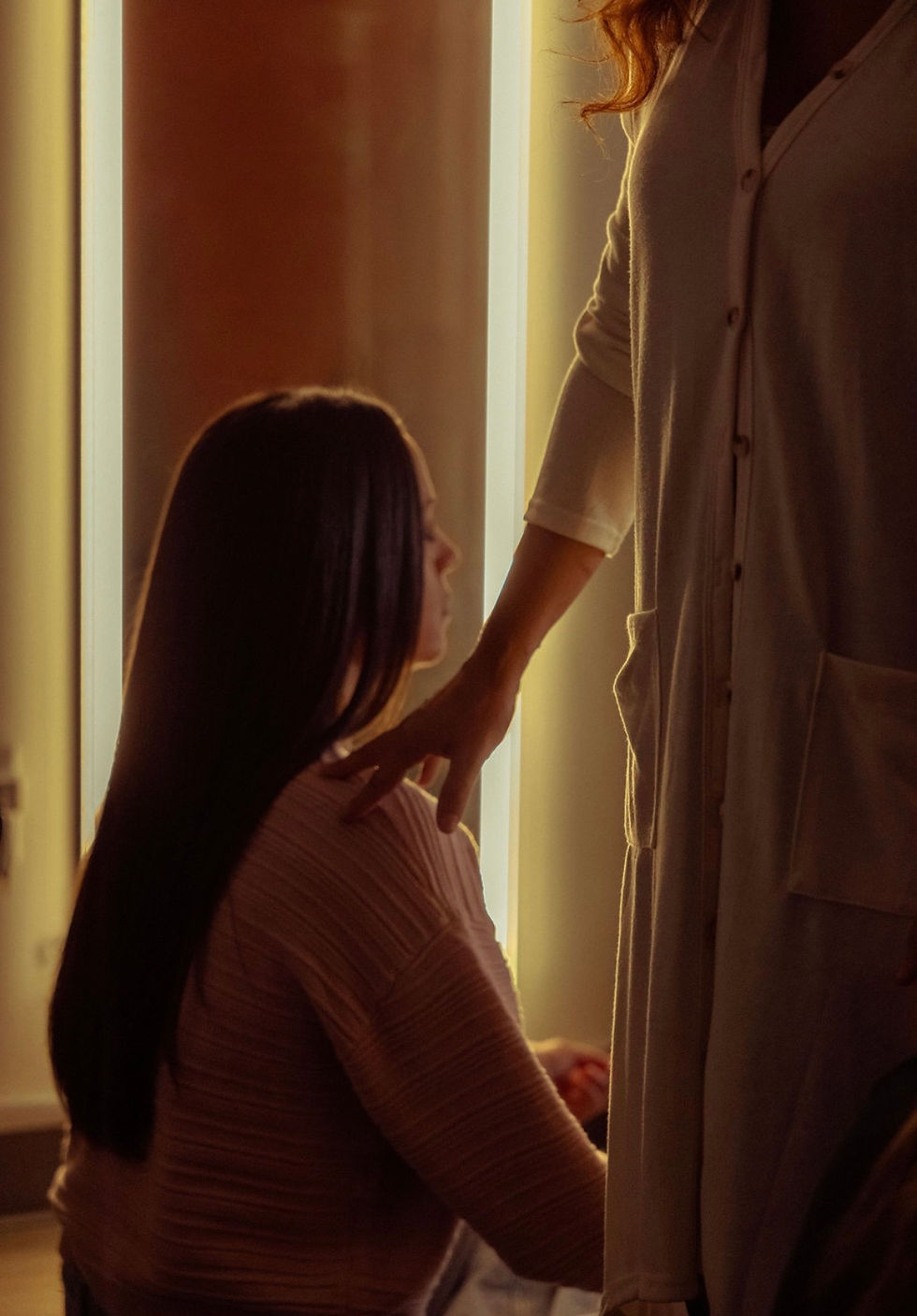
During a Reiki session, a trained practitioner uses light touch or places their hands just above the body while the client relaxes comfortably.
The goal is not to diagnose or treat medical conditions, but rather to encourage deep relaxation and support overall well-being.
Where Did Reiki Come From?
Reiki was developed in Japan in the early 20th century by Mikao Usui.
Since then, Reiki has spread around the world and is now offered in wellness centers, spas, hospitals, and integrative health programs.
Many people incorporate Reiki into their self-care routine alongside massage therapy, meditation, yoga, and other wellness practices.
What Happens During a Reiki Session?
One reason Reiki has become increasingly popular is its simplicity.
During a typical session:
You remain fully clothed
You lie comfortably on a treatment table or sit in a chair
Soft music and a calming environment may be used
The practitioner places their hands lightly on or above various areas of the body
Sessions generally last between 30 and 60 minutes
Many people describe the experience as deeply relaxing.
Some report sensations such as:
Warmth
Tingling
A feeling of calm
Deep relaxation
Mental clarity
Others simply enjoy the opportunity to disconnect from daily stress and spend quiet time focused on themselves.
Why Are More People Trying Reiki?
Modern life can be overwhelming.
Many people are seeking wellness practices that help them slow down, reduce stress, and create moments of calm.
Reiki appeals to people because it is:
Non-Invasive
Reiki does not involve medication, equipment, or physical manipulation.
Relaxing
Many individuals seek Reiki simply because it helps them feel more relaxed and centered.
Easy to Incorporate into a Wellness Routine
Reiki can complement other wellness practices such as:
Massage therapy
Meditation
Yoga
Breathwork
Salt therapy
Mindfulness practices
Focused on Whole-Person Wellness
Rather than concentrating on a single symptom, Reiki encourages a holistic approach that considers the connection between body, mind, and emotional well-being.
Potential Benefits People Commonly Report
Experiences vary from person to person, but many individuals report feeling:
More relaxed
Less stressed
More emotionally balanced
Better able to focus
More connected to their self-care routine
Some people also find Reiki helpful as part of their efforts to support healthy sleep habits and stress management.
Is Reiki Safe?
Reiki is generally considered a gentle wellness practice when performed by a trained practitioner.
It is important to understand that Reiki is not a substitute for medical care, diagnosis, or treatment.
Instead, many people view Reiki as a complementary wellness practice that supports relaxation and overall well-being alongside conventional healthcare when needed.
Quick Answer
Reiki is a Japanese wellness practice that uses light touch or hands placed near the body to promote relaxation and support overall well-being. Many people try Reiki because it is gentle, non-invasive, and can help create a greater sense of calm, balance, and relaxation.
Frequently Asked Questions
Does Reiki hurt?
No. Reiki is typically very gentle and comfortable.
Do I need to believe in Reiki for it to work?
People choose Reiki for different reasons. Many simply enjoy the opportunity to relax and focus on self-care.
What should I wear to a Reiki session?
Comfortable clothing is generally recommended. Clients remain fully clothed during the session.
How often should I receive Reiki?
This varies based on personal goals and preferences. Some people schedule occasional sessions, while others include Reiki regularly as part of their wellness routine.
Can Reiki replace medical treatment?
No. Reiki should not be used as a replacement for professional medical care, diagnosis, or treatment.
Final Thoughts
As more people prioritize self-care and holistic wellness, Reiki continues to gain attention as a gentle and relaxing practice.
Whether you're looking to reduce stress, explore new wellness experiences, or simply take time for yourself, Reiki offers an opportunity to slow down and reconnect with a sense of balance and calm.
At Viana Brazil SPA, we believe wellness is about creating space for restoration, relaxation, and self-care. Exploring practices like Reiki can be one meaningful step toward a more balanced lifestyle.


Comments