
The Hidden Effects of Chronic Stress on Your Body
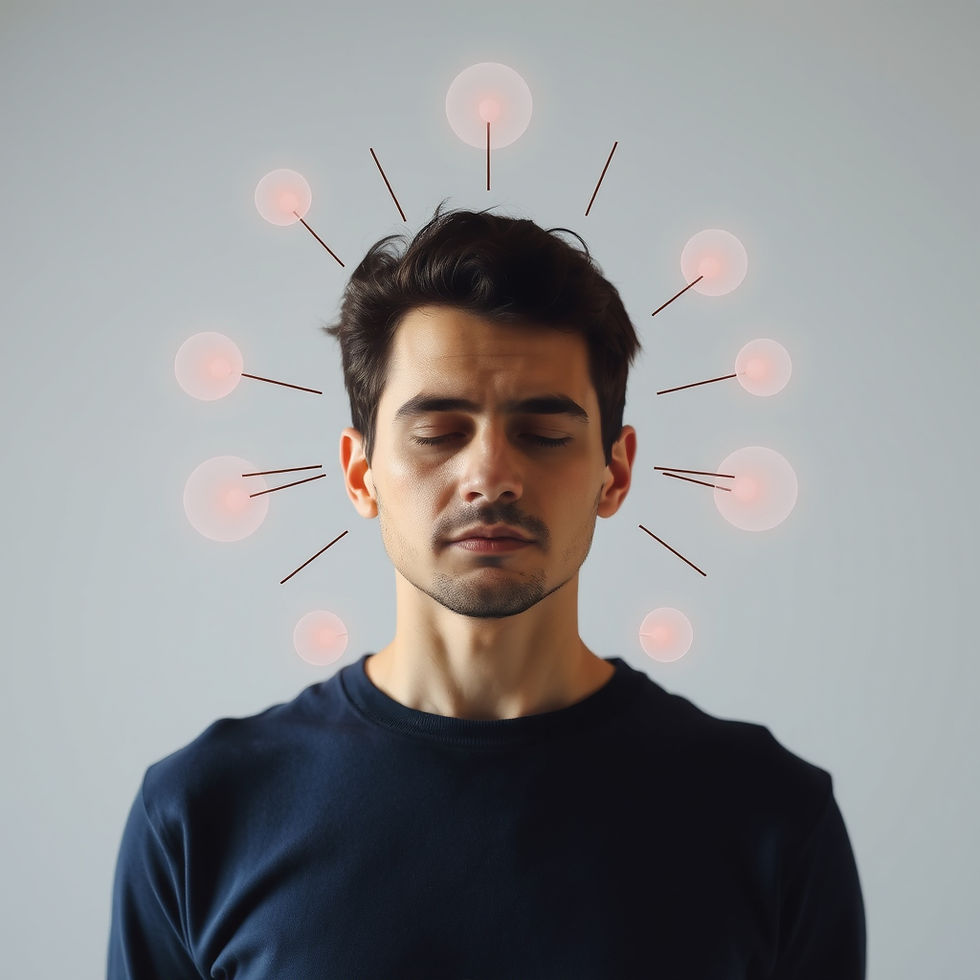
Stress is a normal part of life. In small amounts, it can help us stay alert, focused, and motivated. However, when stress becomes constant and long-lasting, it can begin to affect the body in ways many people don't immediately recognize.
Many individuals assume stress is only a mental or emotional experience. In reality, chronic stress can influence sleep, energy levels, digestion, skin health, muscle tension, mood, and overall well-being.
At Viana Brazil Spa in Macomb, Michigan, many guests seek wellness services not only for relaxation but because they feel physically and emotionally depleted from the demands of everyday life.
What Is Chronic Stress?
Chronic stress occurs when the body remains in a prolonged state of physical or emotional tension.
Unlike short-term stress, which eventually passes, chronic stress can continue for weeks, months, or even years.
Common causes include:
Work pressure
Financial concerns
Family responsibilities
Caregiving
Major life changes
Health concerns
Lack of downtime
Constant digital stimulation
Over time, the body may begin operating as if it is always preparing to respond to a challenge, even when no immediate threat exists.
The Connection Between Stress and Your Nervous System
When you experience stress, your body activates its natural "fight-or-flight" response.
This response is designed to protect you in dangerous situations by increasing alertness and directing energy toward survival functions.
However, when this response remains activated for long periods, the nervous system may have difficulty returning to a balanced state.
This ongoing activation can contribute to feelings of:
Fatigue
Irritability
Restlessness
Difficulty concentrating
Poor sleep quality
Physical tension
Hidden Sign #1: Constant Fatigue
One of the most common symptoms of chronic stress is feeling tired even after resting.
Many people report:
Waking up exhausted
Afternoon energy crashes
Brain fog
Lack of motivation
Difficulty focusing
Even when getting enough hours of sleep, stress can affect sleep quality and make it difficult for the body to fully recover.
Hidden Sign #2: Muscle Tension and Physical Discomfort
Stress often shows up physically in the body.
Common areas where people hold tension include:
Neck
Shoulders
Jaw
Upper back
Scalp
This tension may contribute to discomfort, headaches, stiffness, and a general feeling of heaviness.
Many people don't realize how much tension they are carrying until they intentionally slow down and relax.

Hidden Sign #3: Skin Changes
The skin often reflects what is happening internally.
Periods of increased stress may be associated with:
Increased sensitivity
Breakouts
Dryness
Dullness
Redness
Uneven skin appearance
While many factors affect skin health, stress can play a significant role in how the skin looks and feels.
Hidden Sign #4: Sleep Difficulties
Stress and sleep often affect one another.
When stress levels are elevated, many people experience:
Difficulty falling asleep
Frequent waking during the night
Restless sleep
Feeling tired despite sleeping
Poor sleep can then increase stress levels, creating a cycle that becomes difficult to break.
Hidden Sign #5: Emotional Exhaustion
Chronic stress doesn't only affect the body.
It can also affect emotional well-being.
Signs may include:
Feeling overwhelmed
Irritability
Low patience
Reduced motivation
Difficulty enjoying activities
Emotional fatigue
Over time, emotional exhaustion can make everyday tasks feel more challenging.
Why Relaxation Matters
Many people view relaxation as a luxury.
In reality, intentional relaxation may be an important part of maintaining overall wellness.
Creating opportunities to slow down can help support:
Mental clarity
Emotional balance
Stress management
Better sleep habits
Overall well-being
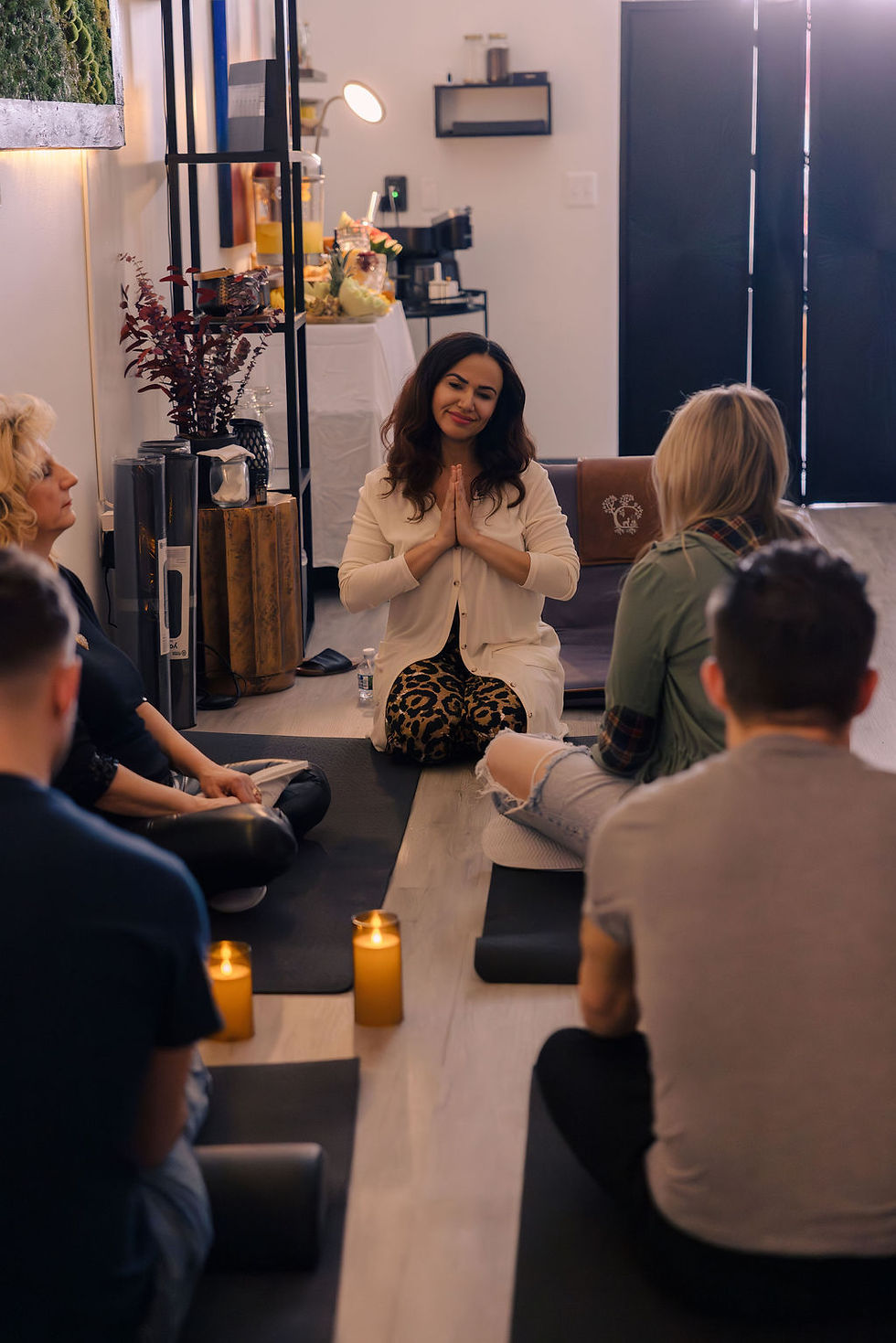
Wellness practices such as meditation, mindful breathing, salt room therapy, Reiki, facials, and relaxation-focused spa experiences can provide valuable opportunities to disconnect from daily stressors and reconnect with yourself.
Small Habits That May Help Reduce Stress
Managing stress often starts with small, consistent actions.
Consider incorporating:
Daily movement
Mindfulness practices
Deep breathing exercises
Regular sleep routines
Limiting screen time before bed
Staying hydrated
Scheduling intentional relaxation time
Even small changes can make a meaningful difference over time.
Frequently Asked Questions
What are the physical symptoms of chronic stress?
Common symptoms may include fatigue, muscle tension, headaches, sleep difficulties, digestive changes, skin concerns, and low energy.
Can stress affect sleep?
Yes. Many people experience difficulty falling asleep, staying asleep, or feeling rested due to ongoing stress.
Can stress impact skin health?
Stress may contribute to breakouts, dryness, sensitivity, redness, and changes in overall skin appearance.
How can I support my body during stressful periods?
Many people benefit from healthy sleep habits, movement, hydration, mindfulness, relaxation practices, and self-care routines that support overall wellness.
Taking Time to Recharge
In today's fast-paced world, chronic stress has become increasingly common. Yet many people overlook the signals their bodies are sending.
Learning to recognize the hidden effects of stress is an important step toward supporting long-term wellness.
At Viana Brazil Spa in Macomb, Michigan, we believe self-care is more than a luxury—it is an investment in your overall well-being.
Whether through salt room therapy, meditation, Reiki, facials, scalp rituals, or simply taking time to slow down, creating moments of restoration can help support a healthier and more balanced lifestyle.
We proudly welcome guests from:
Shelby Township
Sterling Heights
Romeo
Washington Township
Clinton Township
Macomb Township
Surrounding Michigan communities
who are looking for meaningful ways to relax, recharge, and reconnect with their well-being.


Comments